Our Story
We believe where you live can change how you age.
“We aren't designing for an age. We're designing for people, and for the lives they still have to live.”
You Are Still You
Growing older doesn't change who you are.
One of the things that gets lost far too easily in conversations about aging is the person.
You don't stop caring about beauty because you're 80.
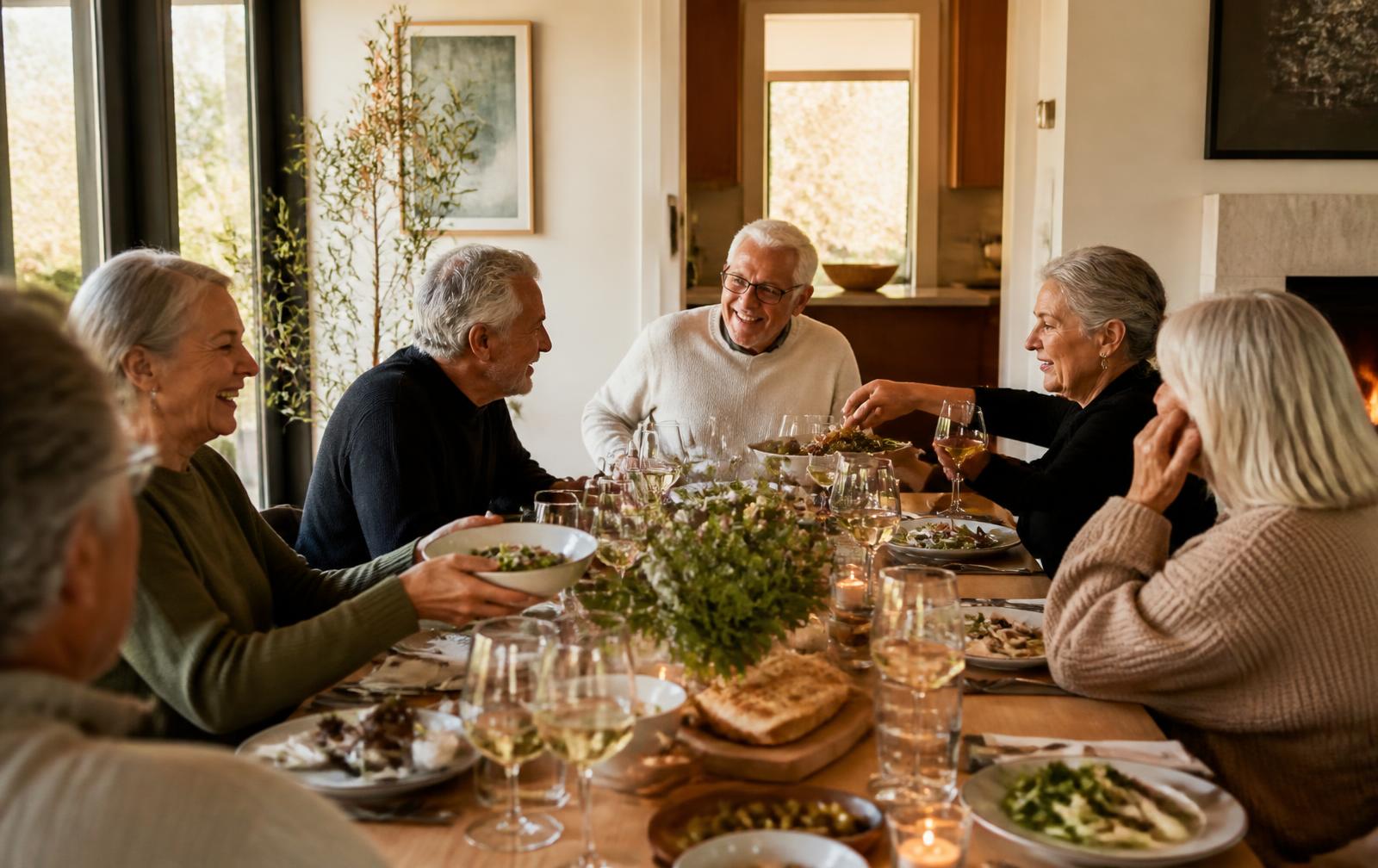
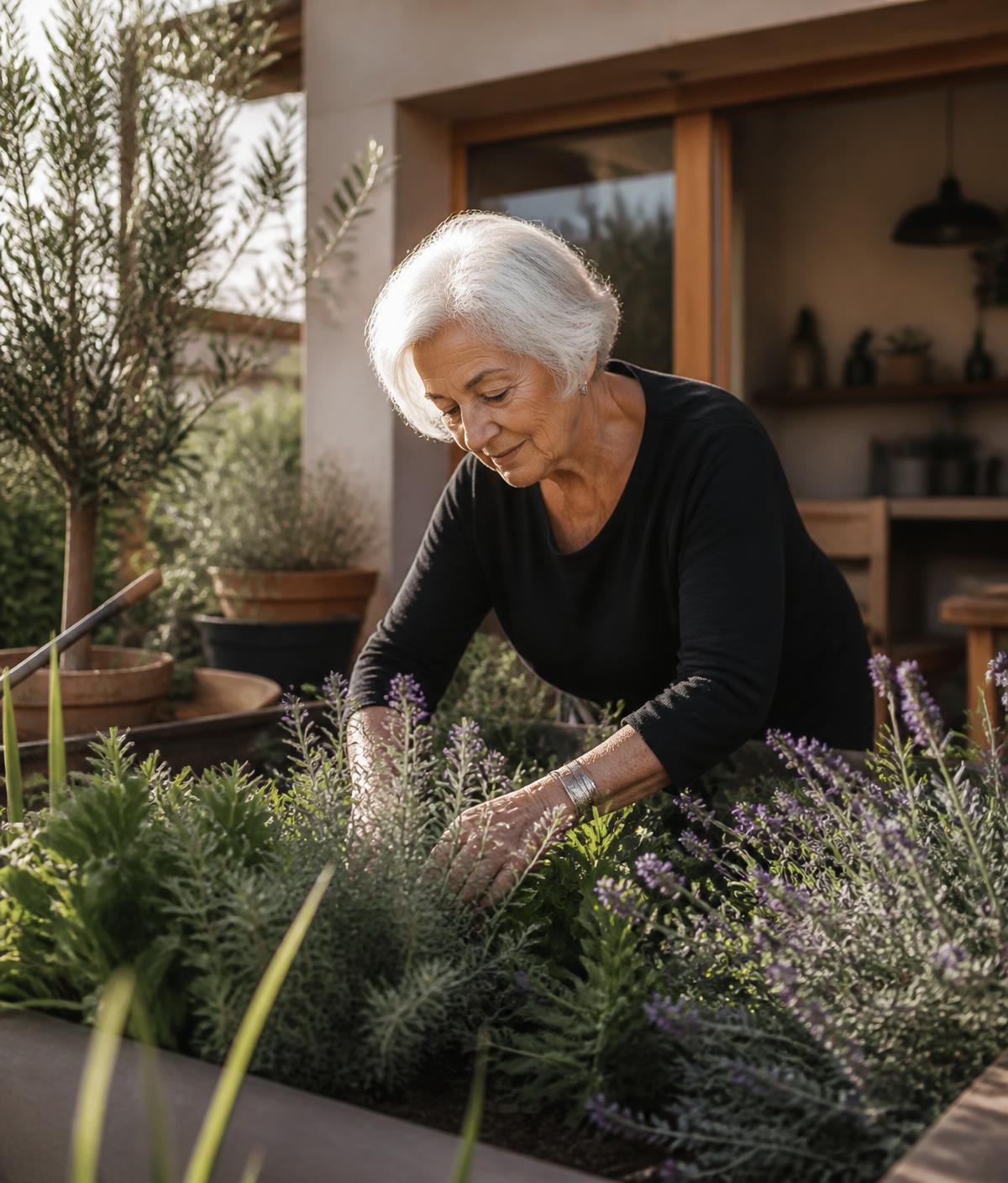
You don't stop wanting your friends over for dinner. You don't stop wanting to laugh, celebrate birthdays, have a glass of wine, listen to music, cook something you love, put your feet up, tend a garden, watch a movie, read in your favourite chair or have your grandchildren stay longer than they planned.
Opinions.
Preferences.
Habits.
A sense of humour.
A personal style.
You are still you.
You still have things you love and things you can't stand. You still want privacy. You still want to decide when you want company and when you want to be alone.
You want to choose what you eat, where you sit, when you go out, what you wear and how you spend your day.
You want people to visit you, not feel as though they're visiting a facility.
You want your home, whatever form that home takes, to feel like it belongs to you.
That belief is at the heart of Living Thesis.
Because as people age, the environment around them can either help preserve those things or gradually begin taking them away.
The Power of Place
Design has more power than we sometimes realize.
A well-designed environment can help someone continue making their own breakfast instead of waiting for assistance. It can make a bathroom easier to use privately. It can help someone find their way without having to ask.
It can make moving through a home feel comfortable and intuitive rather than intimidating. But dignity is about much more than physical independence.
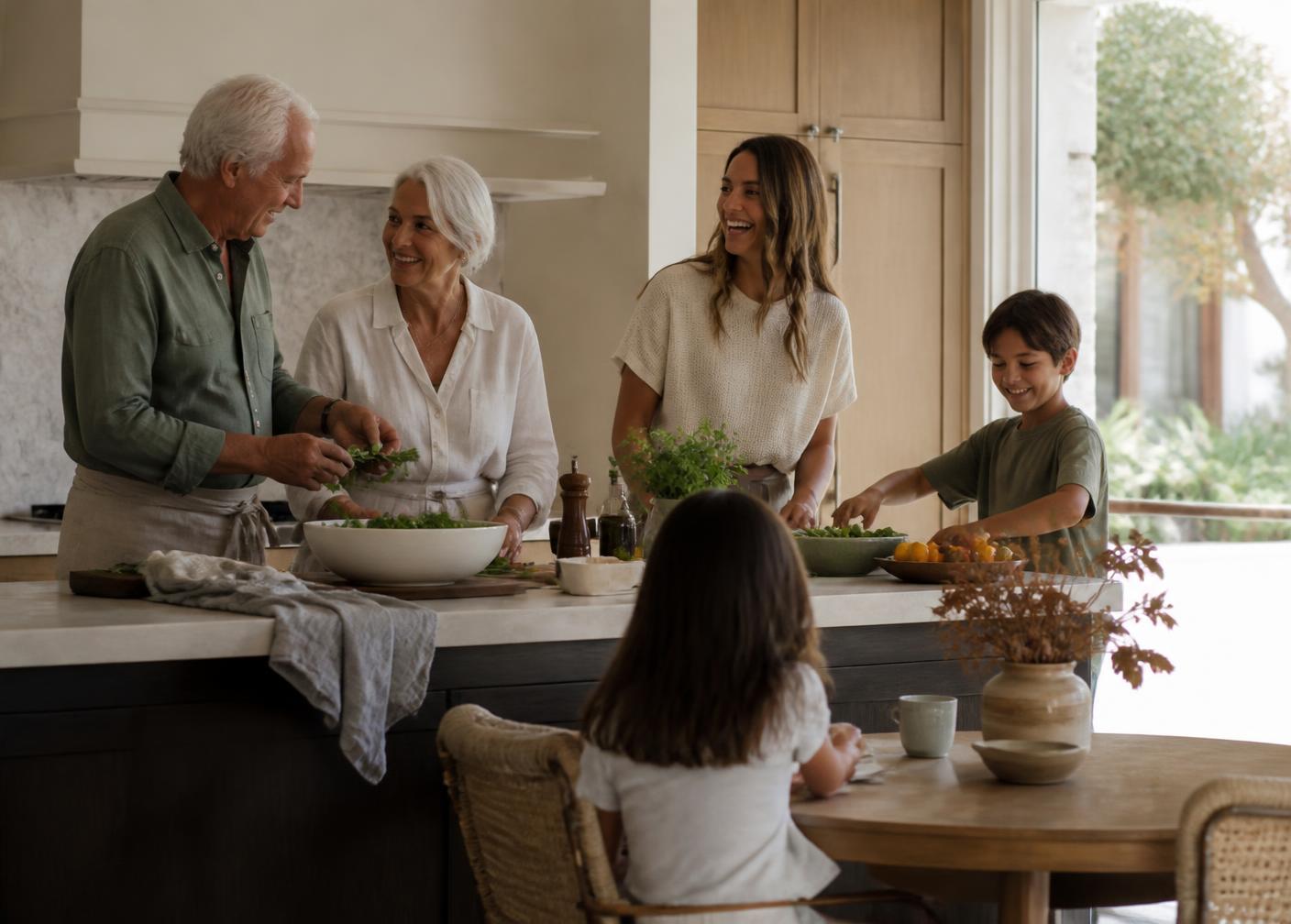
Design can create a place where people naturally stop and talk. It can give someone somewhere beautiful to sit with an old friend. It can make family want to stay for dinner.
It can create opportunities to garden, cook, entertain, participate, retreat, celebrate and simply be part of everyday life.
Design can support caregivers without allowing the delivery of care to dominate the environment.
It can respond to changes in mobility, vision, hearing or cognition without constantly reminding someone of what they can no longer do.
And it can preserve the thousands of small choices and routines that allow us to remain ourselves.
“These aren't extras. They are part of dignity.”
“When someone's world becomes smaller, the environment around them becomes more important. Not less.”
That is why we care so much about this work.
The Beginning
We came to this from two very different worlds.
Lori: Through Design
For Lori, it was through design.
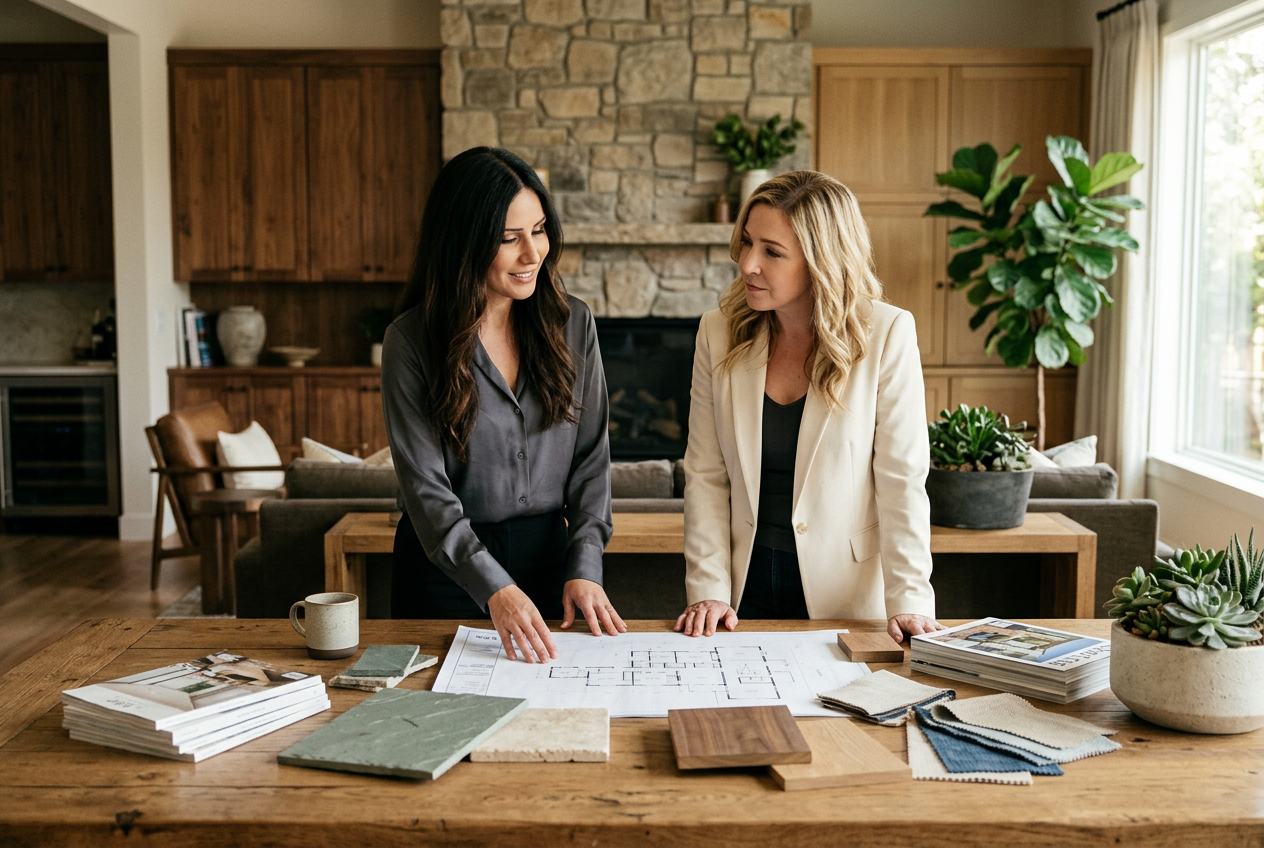
Senior living, assisted living and accessible environments have become an important specialty within her work as an interior designer and educator.
Lori teaches students how to design senior and assisted-living environments and takes them directly into senior living and care residences to study them.
They don't simply look at whether a space meets accessibility requirements. They study what aging can mean for mobility, vision, hearing, sensory perception and cognition. They examine wayfinding, independence, social connection and human behaviour.
They look at where people naturally gather. Where families visit. How someone finds their way. What encourages people to leave their rooms. What makes people feel connected rather than isolated.
“What is it actually like to live here?”
Then that question became much more personal.
When Lori began touring senior residences with her own mother, she experienced these environments from another perspective, as a daughter trying to imagine her mother actually living there.
And she kept seeing what was missing. A residence could satisfy requirements and still miss the person.
There could be somewhere to sit without creating somewhere people actually wanted to gather. A dining room without enough of the feeling of sharing a meal. Corridors that moved people efficiently without creating connection.
Beautiful common areas did not necessarily reflect how people really spend their days. Spaces could accommodate care while still feeling unmistakably like places for people who require care.
“We can do better than this.”
Not by disguising aging. Not by pretending people won't need assistance. But by designing environments where support and care can exist without becoming someone's entire experience of home.
Pam: Through Healthcare
For Pam, it was through healthcare.
Pam was seeing what happens when aging, health, cognition, mobility or circumstances change the way someone lives.
She saw that those changes don't happen to one person in isolation. They affect partners and spouses. Adult children. Families. Friends. Caregivers. Daily routines. Relationships. Independence. Confidence.
And decisions about where and how someone can continue living.
She also saw the enormous space between what happens within healthcare and what happens once someone returns to everyday life.
A healthcare plan may identify what someone needs medically or functionally. But that doesn't necessarily tell a family whether the bathroom works. Whether a caregiver can safely assist. Whether the bedroom is accessible. Whether equipment will fit.
It doesn't tell them whether the kitchen still works for that person, or how the home should change if needs continue to evolve.
Someone can be ready to leave hospital while their home is completely unprepared for what comes next.
A spouse can become a caregiver almost overnight. Adult children can suddenly find themselves making decisions about a parent's home, care and future without knowing where to begin.
“Healthcare doesn't end when someone walks out the hospital door. Life is waiting on the other side.”
And the environment they return to can make that life easier, or much harder.
Two Perspectives. The Same Problem.
Those questions belong together.
Lori was looking at the environment and asking: “How can this place better support the person?”
Pam was looking at the person and asking: “What does this person need from the place where they live?”
Yet healthcare, design, construction, accessibility and caregiving too often operate separately.
Occupational therapists may identify functional needs. Healthcare professionals understand health and care. Designers understand the built environment. Contractors know how to build. Home-care providers understand the realities of providing support.
All of those professionals can be important. But the individual and their family are often left in the middle trying to connect them.
That is the gap we wanted to close.
The person, the care and the environment cannot be treated as separate things.
That is why we created Living Thesis.
The Person. The Care. The Environment.
Living Thesis looks at all three.
We want people to have somewhere to start when they don't know what comes next.
Sometimes that means helping someone plan ahead so the home they love can continue supporting them as they age. Sometimes it means helping a family respond to a sudden change in health or mobility.
Sometimes it means thinking through how a home can support in-home care without allowing the home to become clinical.
And sometimes the right answer isn't remaining in the family home.
At Every Scale
Senior living should still be living.
Our passion extends beyond private homes into independent living, assisted living, senior living and long-term care.
The scale changes.
The person doesn't.
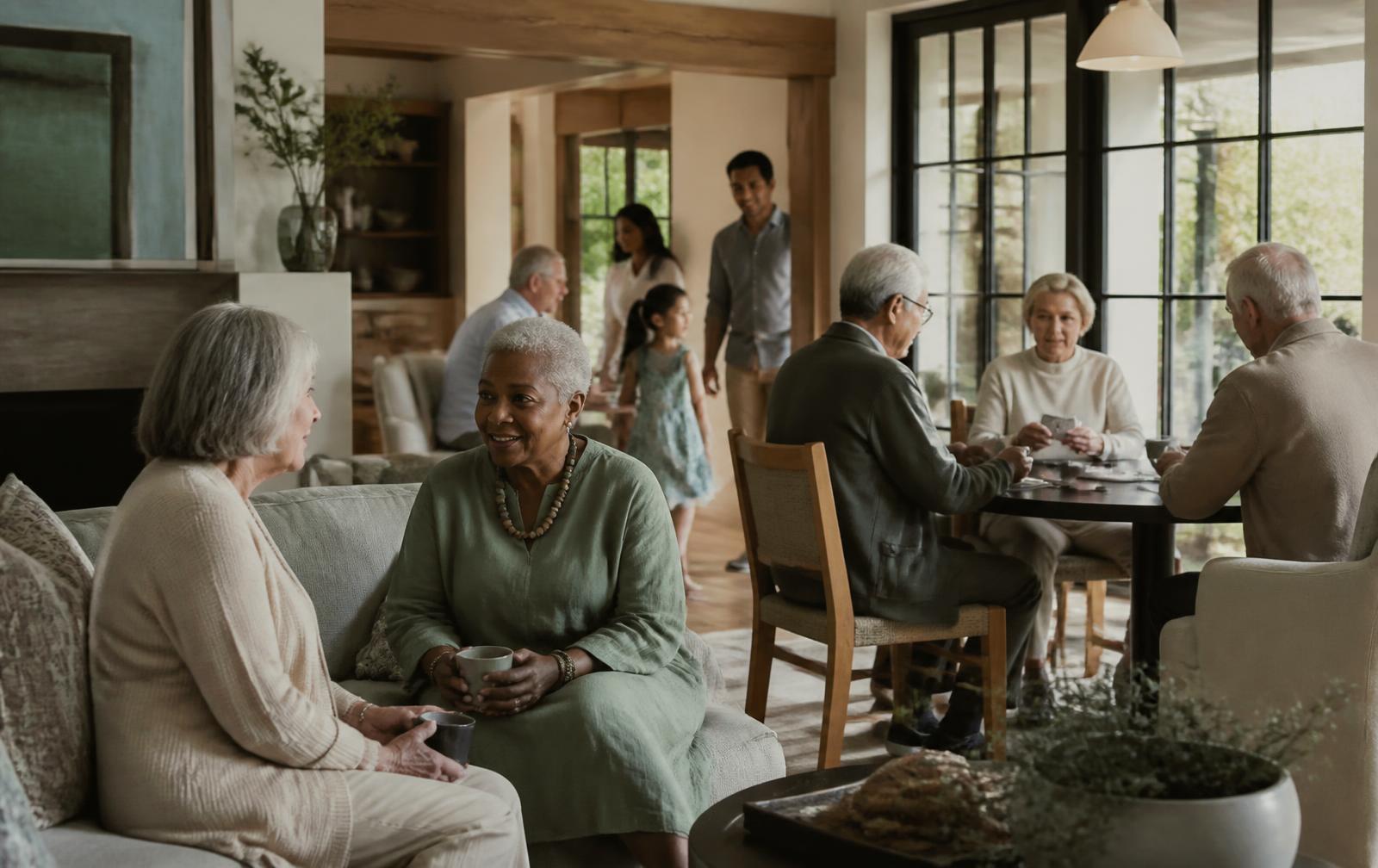
Someone living in a care environment still wants choice, friendship and privacy. They still want family to visit and feel comfortable enough to stay. They still want to recognize themselves in their surroundings.
They still want moments of spontaneity, humour, beauty, purpose and joy.
They still want to live.
Does this environment help someone remain independent for as long as possible?
Does it encourage friendship and spontaneous connection?
Can someone find their way confidently?
Are there reasons to leave their room?
Can family gather comfortably?
Does it support the people providing care?
Does someone still have privacy, choice and control?
Is there beauty, warmth, personality and joy?
“Does it feel like a place where people live, or simply a place where people are cared for?”
We believe it should be both.
Our Story explains why we began. Our Manifesto defines what we believe.
Explore Our Manifesto →This Is Living Thesis
Living Thesis brings together healthcare, aging, accessibility and design because we believe they belong in the same conversation.
We want families to have somewhere to start when they don't know what comes next. We want homes to support people through change rather than becoming barriers to the lives they want to lead.
We want people to be able to remain themselves even when their needs change.
And we want senior living and care environments to give as much thought to identity, independence, dignity, connection, belonging and the experience of living as they do to the delivery of care.
“We aren't designing for an age.
We're designing for people,
and for the lives they still have to live.”