Supporting an Aging Parent
Independence-first modifications. Bathrooms, lighting, entrances, and safety systems designed around dignity and daily routines.
Plan ahead for a home that continues to support independence, identity and quality of life through aging, changing mobility, health transitions and every stage of family life.
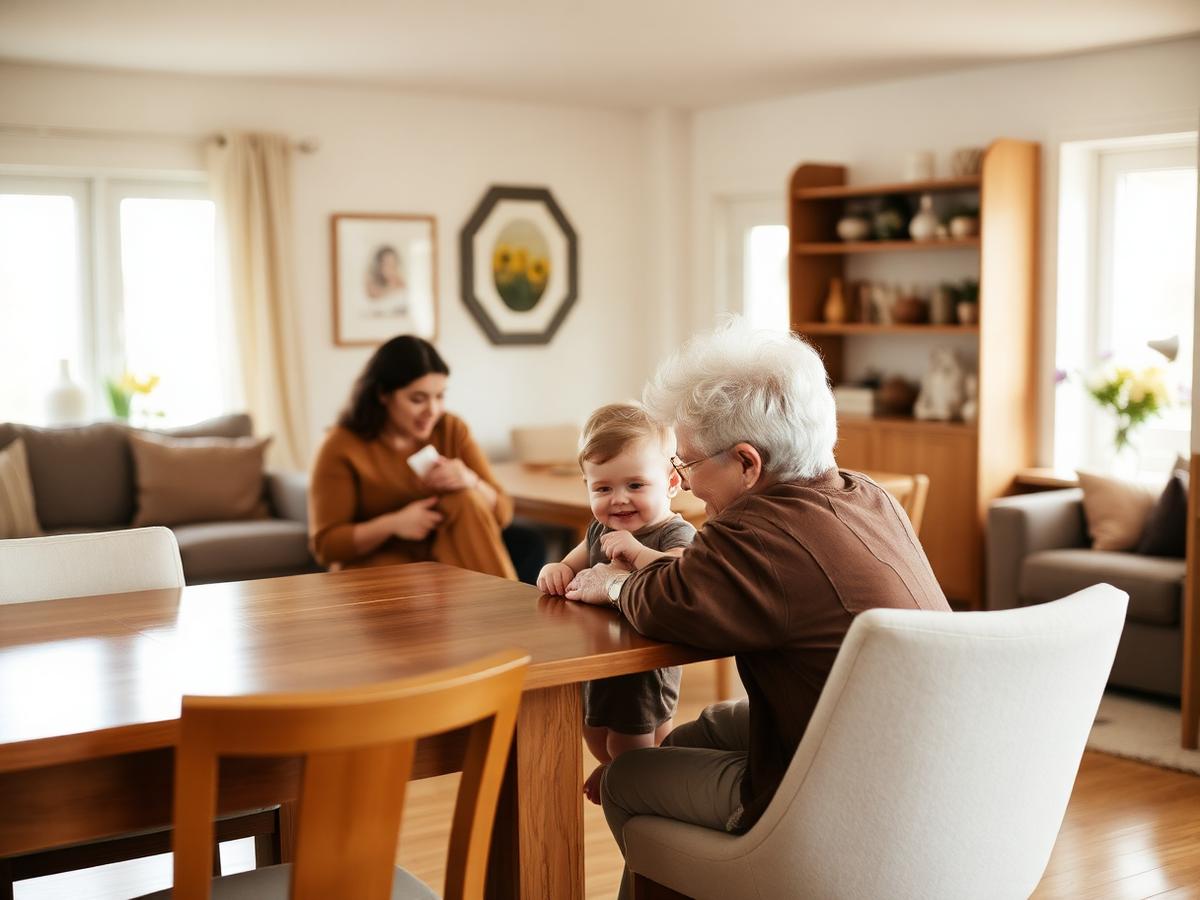
“You may understand what a parent or family member needs and still not know what that means for the home, what should happen first, or who to call.”
You don’t need to know where to start. Living Thesis connects the healthcare, accessibility, design and construction perspectives needed to turn changing needs into a clear, coordinated plan.
Aging in place is not simply about grab bars or accessible bathrooms. When family or professional in-home care begins, the physical environment can shape whether that care feels practical, sustainable and dignified.
Living Thesis helps families understand how the home may need to change and which additional professionals should be involved. We do not provide home-care workers, medical care or medical diagnosis.
Independence-first modifications. Bathrooms, lighting, entrances, and safety systems designed around dignity and daily routines.
Plan early for the home you want to live in later. Entrances, bathrooms, kitchens, lighting, circulation and technology can support independence without feeling institutional.
Translate discharge recommendations into a coordinated plan for equipment, modifications, caregiving, access, and practical next steps at home.
Accessibility that feels architectural, not institutional. Design that works with abilities as they change.
Homes designed for good days and changing days, with thoughtful circulation, reach, lighting, comfort, and support for daily routines.
The person caring for someone else needs a home that cares for them. Rest, storage, sightlines, and simplicity.
Homes that support privacy, autonomy, caregiving, connection, and shared life across generations.
Safe rooms, sleep environments, adaptable storage, and spaces that evolve as children and families grow.