The Manifesto

Home should never be the barrier.

Living Thesis bridges the gap between identifying a healthcare or accessibility need and understanding how the home can support independence, dignity and the life a person wants to keep living.

The People Behind Living Thesis

Two disciplines. One connected approach.

Equal co-founders Pamela Nahal and Lori Sutherland Burns bring healthcare and built-environment expertise together because neither discipline can address the challenges of aging and changing abilities alone.

Understanding the person is one part of the answer. Understanding how the environment can support that person is the other.

Co-Founder | Healthcare + Aging in Place

Pamela Nahal, RPN, CAPS

Pamela Nahal is a Registered Psychiatric Nurse and Certified Aging-in-Place Specialist (CAPS) whose 18 years of healthcare experience bring both a clinical and deeply human perspective to Living Thesis.

Her experience in healthcare and mental health provides an understanding of how physical health, mental and cognitive wellbeing, behavioural needs and changing abilities can shape daily life. She considers not only the person’s immediate needs, but also the routines, relationships and sense of independence that make a home feel like their own.

Pamela’s perspective is especially important when families are navigating caregiving, a return from hospital, a progressive condition or an unexpected change in mobility. She helps bring clarity to the practical realities surrounding care, including family dynamics, caregiver needs, privacy, dignity and what may become more difficult over time.

Her Certified Aging-in-Place Specialist credential adds specialized knowledge in aging-in-place planning, home modification, daily living needs, livable design and the collaboration required between homeowners and allied professionals.

Through Living Thesis, Pamela brings the healthcare and aging-in-place lens to assessment and planning. She helps the team understand what has changed, what matters most to the individual and family, what the home may need to support now and later, and when additional professional expertise should be involved.

Together with Lori, Pamela connects human needs with the built environment so that recommendations respond to the whole situation, not only the physical house, but the person living within it.
Co-Founder | Interior Design + Built Environment

Lori Sutherland Burns, BID, RID, NCIDQ

Lori Sutherland Burns is a Registered Interior Designer with more than 25 years of experience across residential, multi-residential, hospitality, healthcare, education and commercial environments.

She is the founder and Principal of Studio Ten Interior Design and Program Head of BCIT’s Residential Interiors Diploma.

A significant part of Lori’s professional and academic work focuses on accessibility, adaptive living and designing environments that can support people as their needs change.

Her professional experience includes designing homes for individuals with significant mobility and accessibility requirements, including clients living with paraplegia and other physical disabilities. This work has required individualized solutions addressing circulation, transfers, accessible kitchens and bathrooms, lighting, material transitions, reach and usability, and the relationship between the built environment and independence.

Lori also teaches senior living and adaptive design at BCIT. Her academic work includes aging in place, accessibility, wayfinding, human behaviour, social spaces, universal and inclusive design, and the physical and sensory changes associated with aging.

Her teaching extends beyond the classroom. Lori brings students directly into senior living and care environments to study how the built environment affects independence, mobility, dignity, social connection and the experiences of residents, families and care providers.

Through Living Thesis, Lori brings together decades of professional design experience with accessibility, education and senior-living knowledge to help translate changing human needs into practical, functional and beautiful built-environment solutions.

Healthcare + Aging-in-Place Expertise

Understanding the person living within the home.

Pamela Nahal, RPN, CAPS, brings 18 years of healthcare experience and specialized aging-in-place knowledge to Living Thesis. Her perspective helps the team look beyond the physical house to understand the person living within it, including changing abilities, mental and cognitive wellbeing, caregiving, family dynamics and the practical realities of remaining at home.

As a Certified Aging-in-Place Specialist, Pamela brings additional training in aging-in-place planning, home modification, daily living needs and collaboration with the professionals involved in supporting people at home.

In the Media

Aging-in-Place: Taking Steps to Future Proof Your Home

Lori was featured in the Vancouver Sun discussing how thoughtful interior design can help people maintain independence and quality of life as they age, from accessible-width doorways, curbless showers and adaptable main-floor living to visual contrast, lighting for aging eyes, reduced trip hazards and smart-home technology.

“Aging-in-place design is less about preparing for decline and more about preserving independence through beautiful, ergonomic environments that can flexibly support people across their stages of life.”
Read the article →

Home is one of the few constants that connects every stage of life. It is where children take their first steps, where careers begin around kitchen tables, and where many people hope to spend the rest of their lives. We invest enormous emotional, financial, and physical resources into our homes because they represent far more than shelter. They represent identity, security, independence, and belonging.

Yet homes are rarely designed for the reality of how life unfolds. Most are planned around the needs of a healthy family at a single moment in time. Life, however, refuses to remain static. Families grow, parents age, children return home, injuries occur, careers change, and the systems that support our homes have changed very little.

Across Canada, hospital stays are shorter, more treatment is delivered in the community, and governments encourage people to recover, receive care, and age in their own homes. That shift transfers enormous responsibility to families who are asked to become project managers at precisely the moment they are dealing with fear, uncertainty, or grief.

Living Thesis exists to bridge the distance between identifying a healthcare or accessibility need and changing the physical environment. Families deserve a clear answer to what their home needs, what should happen first, what can wait, and who should be involved, without sacrificing the character of the place they love.

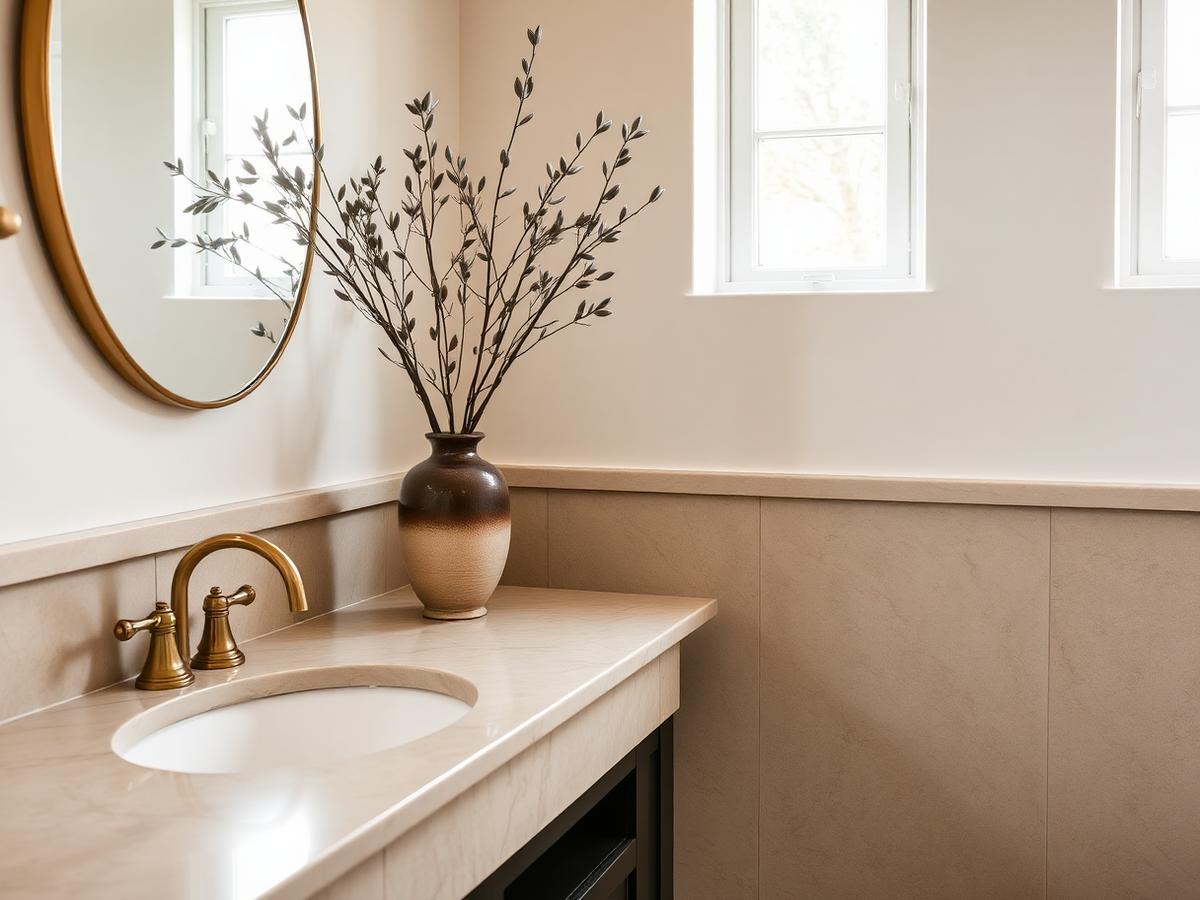
Serene bathroom with brass fixtures and olive branches
The Defining Belief

"No one should lose independence, dignity, or quality of life because their home no longer meets their needs. When challenges arise, the answer should not be uncertainty. It should be a clear path forward."

Ten Pillars

Everything we recommend begins here.

01

Home Is the Foundation of Health

Home shapes physical health, mental wellbeing, independence, recovery, and quality of life.

02

Every Home Should Evolve With Its People

Homes should adapt to families' transitions rather than force people to leave the places they love.

03

Research Informs Better Decisions

Recommendations draw on established professional knowledge, evidence, and lived experience.

04

People Need a Guide, Not More Information

We transform complexity into clarity through trusted guidance and practical action.

05

Better Outcomes Come Through Collaboration

No single profession has all the answers. Living Thesis brings disciplines together.

06

Beautiful Design and Accessibility Belong Together

Accessibility should never feel institutional or like an afterthought.

07

Independence Is Living Life on Your Terms

Our role is to help people continue living the lives they value.

08

Trust Is Earned Every Day

Every recommendation, referral, and partnership must strengthen that trust.

09

Technology Should Feel Human

Digital tools should reduce stress and strengthen human relationships rather than replace them.

10

We Measure Success by Better Lives

Not by assessments completed, but by people recovering with confidence.

Start with a conversation.

You don’t need to know where to start. A Home + Life Assessment brings the person, the home and what is changing into one clear plan.