The Living Thesis Method

You don’t need to know where to start.

Start with Living Thesis. Our Home + Life Assessment connects the person, the home and what is changing, then turns uncertainty into clear priorities and a path forward.

  1. 01

    Understand

    We learn about the person, the family, the home and what has changed, including abilities, daily routines, care needs, concerns, priorities and what the homeowner wants to preserve.

  2. 02

    Assess

    We evaluate how the home currently supports daily life and where barriers or future challenges may exist across entrances, circulation, stairs, bathrooms, kitchens, bedrooms, lighting, safety, accessibility and technology.

  3. 03

    Plan

    We create a prioritized roadmap: what is needed now, what may be needed next, what can wait, what should change in the home and what should happen first.

  4. 04

    Assemble

    When additional expertise is required, we help identify and coordinate the appropriate occupational therapists, healthcare professionals, accessibility specialists, designers, architects, builders, contractors or technology specialists.

  5. 05

    Design + Implement

    Where physical changes are required, Living Thesis can help move the plan into design and implementation with the appropriate design, construction and healthcare professionals.

Two Levels of Guidance

Begin with the service that fits the situation.

Home + Life Assessment

Starting at $895 + applicable tax

The first step for homeowners and families who need professional guidance about aging in place, changing mobility, accessibility, caregiving or preparing a home for changing needs.

Includes intake, an in-home consultation, review of the person and home, immediate and future concerns, initial recommendations, professional referrals where needed, prioritized next steps and a written Living Thesis Action Plan.

Comprehensive Home + Care Plan

Starting at $1,695 + applicable tax

For complex situations involving significant mobility changes, progressive conditions, substantial caregiving, return from hospital, major renovation or multiple family and professional stakeholders.

This may involve both founders, a more detailed review and written roadmap. Living Thesis does not diagnose or replace regulated healthcare professionals; we determine when their expertise should be brought in.
The Person + The Home

The whole situation, not an inspection score.

The Living Thesis approach begins with both sides of the equation: the person and the environment. Pamela Nahal brings the healthcare and aging-in-place perspective through 18 years of healthcare experience as a Registered Psychiatric Nurse and Certified Aging-in-Place Specialist; Lori Sutherland Burns brings the accessibility, design and built-environment perspective through 25+ years of interior design experience, RID and NCIDQ credentials, and her work leading and teaching senior living, inclusive environments and adaptive design at BCIT. Together, they help determine what is changing, what the home needs to support and what expertise may be required next.

  • 01Entrances & Approaches
  • 02Circulation & Flow
  • 03Bathroom Function
  • 04Kitchen & Meals
  • 05Bedroom & Sleep
  • 06Lighting & Visual Comfort
  • 07Storage & Everyday Use
  • 08Indoor Air Quality
  • 09Outdoor & Connection
  • 10Safety & Emergency Readiness
  • 11Technology & Smart-Home Readiness
  • 12Future Adaptability
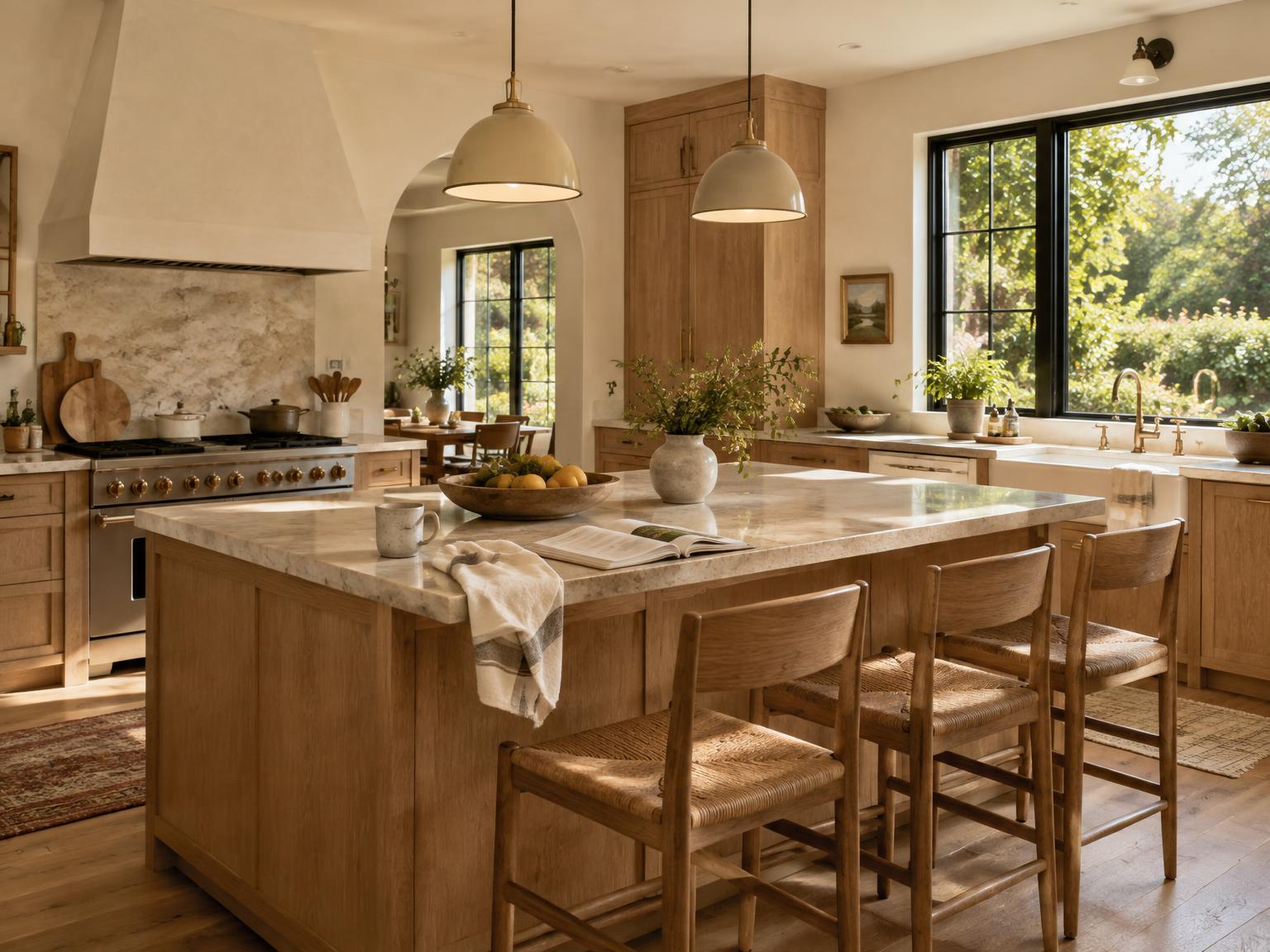
Warm modern kitchen
The Deliverable

The Living Thesis Action Plan

The written plan summarizes what we learned, identifies immediate concerns and potential future needs, sets priorities, separates what should happen now from what can wait, and identifies which professionals may need to be involved. Home Score™ may be incorporated as one organizing tool, but clarity and a practical path forward are the real outcome.